Introduction
Black Soldier Fly (BSF) larvae are becoming one of the most valuable alternative protein sources in aquaculture. Fish farmers around the world are using BSF larvae to replace part or all of the fishmeal in fish diets. The larvae are rich in protein, healthy fats, amino acids, vitamins, and minerals that support rapid fish growth and good health.
At Noble Farms, BSF larvae are produced as a sustainable, affordable, and environmentally friendly feed ingredient for catfish, tilapia, and other cultured fish species.
Why BSF Larvae Are Good for Fish
1. High Protein Content
BSF larvae contain approximately 35–45% protein (fresh basis varies; dried larvae can exceed 40%).
Benefits:
- Supports muscle development
- Improves growth rate
- Enhances feed conversion efficiency
- Promotes healthy fish production
2. Rich in Healthy Fats
BSF larvae contain beneficial fats that:
- Provide energy
- Improve fish condition
- Support growth during juvenile stages
3. Natural Feed Source
In nature, many fish species consume insects and insect larvae. BSF larvae mimic this natural diet, making them highly palatable.
Forms of BSF Larvae Used in Fish Farming

Fresh Larvae
- Fed directly to fish
- Excellent for catfish
- High moisture content
- Suitable for immediate use
Dried Larvae
- Longer shelf life
- Easy storage and transportation
- Can be mixed into fish feed formulations
BSF Meal
- Ground dried larvae
- Used in commercial fish feed production
- Can partially replace fishmeal
Benefits of BSF Larvae in Fish Farming
Reduced Feed Cost
Feed accounts for 60–70% of fish production costs. Producing BSF larvae on-farm can significantly reduce feeding expenses.
Faster Growth
Fish readily consume BSF larvae, resulting in:
- Better feed intake
- Improved weight gain
- Higher productivity
Improved Sustainability
BSF larvae are produced from organic waste materials, helping:
- Reduce environmental pollution
- Recycle nutrients
- Lower dependence on wild-caught fishmeal
Better Fish Health
Studies have shown that insect-based feeds may improve:
- Disease resistance
- Gut health
- Survival rates
Fish Species That Can Eat BSF Larvae
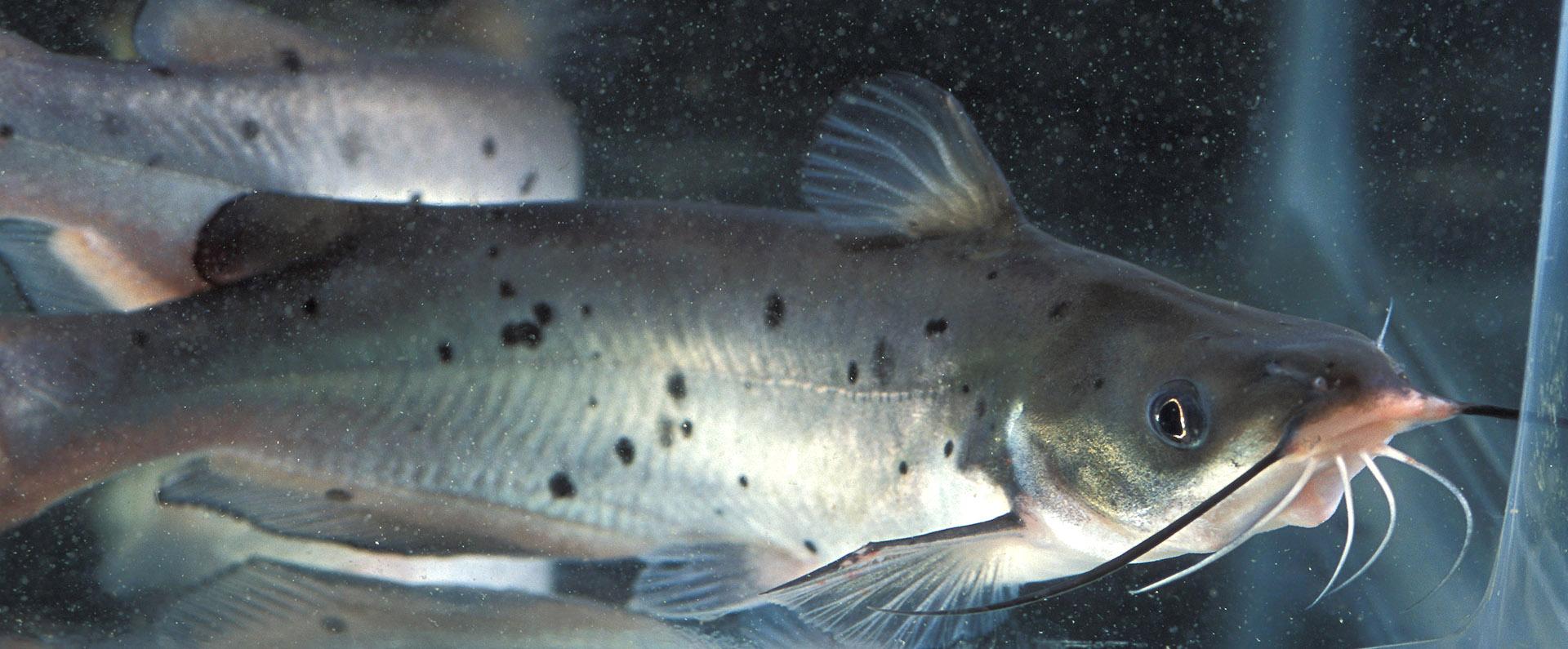
Catfish

Catfish readily accept both fresh and dried BSF larvae.
Tilapia
Tilapia can utilize BSF larvae effectively as part of their diet.
Carp
Carp naturally consume insects and benefit from BSF supplementation.
Ornamental Fish
Many aquarium fish enjoy BSF larvae as a protein-rich treat.
Feeding Recommendations
| Fish StageBSF Usage | |
| Fry | Finely ground BSF meal |
| Fingerlings | Small dried larvae or meal |
| Juveniles | Fresh or dried larvae |
| Adults | Fresh larvae, dried larvae, or formulated feed containing BSF meal |
Advantages of BSF Over Fishmeal
| BSF LarvaeFishmeal | |
| Can be produced locally | Often imported |
| Lower cost | Expensive |
| Environmentally friendly | Relies on wild fish stocks |
| Sustainable | Less sustainable |
| Converts waste into feed | Does not recycle waste |
Noble Farms BSF Solution
At Noble Farms, BSF larvae are produced using controlled and hygienic methods to provide:
- Fresh BSF larvae
- Dried BSF larvae
- Sustainable protein for fish farmers
- Reduced feed costs
- Improved farm profitability
Our BSF production system supports catfish, tilapia, poultry, and pig farmers seeking affordable, high-quality feed alternatives.
Critical Thinking Questions
- Why are BSF larvae considered a sustainable alternative to fishmeal?
- How can BSF larvae help reduce fish production costs?
- What nutrients in BSF larvae contribute to fish growth?
- Why do catfish readily accept BSF larvae as feed?
- How does BSF farming contribute to waste management?
- What advantages do dried larvae have over fresh larvae?
- Why is reducing dependence on fishmeal important for aquaculture sustainability?
- How can a fish farmer integrate BSF larvae into an existing feeding program?
- What challenges might arise when replacing fishmeal completely with BSF meal?
- How can BSF production improve the profitability of an integrated farm such as Noble Farms?
Answers
- They recycle waste into valuable protein.
- They reduce the need for expensive commercial feeds.
- Protein, fats, amino acids, vitamins, and minerals.
- Insects are part of their natural diet.
- Organic waste is converted into useful biomass.
- Longer shelf life and easier storage.
- It conserves wild fish populations.
- By feeding fresh larvae or incorporating BSF meal into feed.
- Nutritional balancing may still be required.
- By lowering feed costs and creating an additional income stream.