Introduction
Artificial insemination (AI) is the process of manually depositing semen from a rooster into the reproductive tract of a hen to achieve fertilization without natural mating. AI is widely used in commercial broiler breeder operations to improve fertility, increase genetic efficiency, and overcome mating difficulties associated with heavy-bodied birds.
Why Artificial Insemination is Used in Broilers


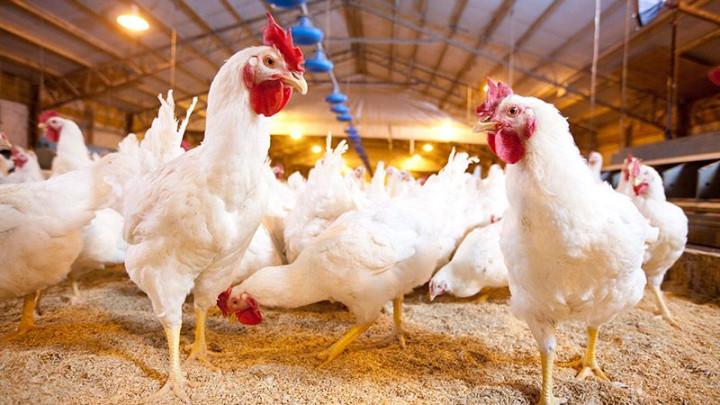
Modern broiler breeders are larger and heavier than traditional chickens.
Challenges of natural mating include:
- Reduced mating ability in heavy males
- Injuries to hens
- Poor fertility rates
- Uneven breeding performance
AI helps:
- Increase fertility
- Improve hatchability
- Utilize superior males more efficiently
- Reduce breeder replacement costs
Anatomy Relevant to AI
Male Reproductive System
- Testes
- Vas deferens
- Cloaca
Female Reproductive System
- Ovary
- Oviduct
- Infundibulum
- Cloaca
Understanding reproductive anatomy helps ensure accurate semen collection and insemination.
Selection of Breeding Birds
Roosters
Ideal characteristics:
- Healthy and active
- Good body condition
- High libido
- Disease-free
- Proper age (24–60 weeks)
Hens
Ideal characteristics:
- Healthy
- Good egg production
- Proper body weight
- No reproductive disorders
Semen Collection
Abdominal Massage Method
The most common technique.
Procedure
- Hold rooster firmly.
- Massage lower back and abdomen.
- Stimulate cloacal region.
- Apply gentle pressure.
- Collect semen in sterile tube.
Characteristics of Good Semen
| ParameterIdeal Value | |
| Color | Milky white |
| Volume | 0.2–1.0 ml |
| Motility | Above 80% |
| Concentration | High sperm density |
| Contamination | None |
Semen Handling
Important precautions:
- Avoid sunlight exposure.
- Keep equipment clean.
- Avoid water contamination.
- Use immediately after collection.
- Maintain temperature between 20–25°C.
Poor handling reduces fertility.
Preparing the Hen
Restraining the Hen
- Hold gently.
- Support wings.
- Expose vent area.
- Avoid excessive stress.
Eversion of the Oviduct
Gentle pressure is applied around the abdomen to expose the opening of the oviduct.
Insemination Procedure


Equipment Needed
- AI syringe
- Plastic pipette
- Semen collection tube
- Gloves
- Disinfectant
Steps
- Load semen into pipette.
- Expose oviduct opening.
- Insert pipette carefully.
- Deposit semen.
- Release hen gently.
Recommended Dose
- 0.02–0.05 ml semen per hen
Frequency of Insemination
| Age of HenFrequency | |
| Young hens | Every 7 days |
| Peak production | Every 5–7 days |
| Older hens | Every 4–5 days |
Factors Affecting Fertility
Nutrition
Breeders require:
- Adequate protein
- Vitamins A, D, E
- Selenium
- Zinc
Temperature
Optimal:
- 18–28°C
Heat stress reduces fertility.
Health Status
Diseases affecting fertility include:
- Newcastle Disease
- Infectious Bronchitis
- Mycoplasma
Body Weight
Overweight breeders often have reduced fertility.
Advantages of AI
Genetic Improvement
One superior rooster can fertilize many hens.
Increased Fertility
Especially in:
- Heavy broiler breeders
- Older breeder flocks
Reduced Injuries
Less physical damage to hens.
Better Record Keeping
Parentage can be accurately monitored.
Efficient Use of Males
Fewer males required.
Disadvantages of AI
- Requires skilled labor
- More time-consuming
- Additional equipment costs
- Stress if birds are improperly handled
Common Mistakes
During Semen Collection
- Rough handling
- Contamination
- Poor hygiene
During Insemination
- Incorrect semen placement
- Insufficient semen volume
- Delayed insemination
Management Errors
- Poor breeder nutrition
- Heat stress
- Disease outbreaks
Critical Thinking Questions
1. Why is AI more common in broiler breeders than in commercial meat broilers?
Answer: Because breeder flocks require high fertility and controlled genetics.
2. Why should semen be used immediately after collection?
Answer: Sperm viability decreases with time.
3. How does AI reduce injuries in breeder hens?
Answer: It eliminates the need for frequent natural mating.
4. Why are heavy broiler breeders less efficient at natural mating?
Answer: Their large body size reduces mating efficiency.
5. How can poor nutrition affect AI success?
Answer: It lowers sperm quality and egg fertility.
6. Why is hygiene important during AI?
Answer: To prevent contamination and reproductive infections.
7. What would happen if semen were exposed to excessive heat?
Answer: Sperm cells could die, reducing fertility.
8. Why is body weight management important in breeder flocks?
Answer: Excessive weight negatively affects reproduction.
9. How can AI improve genetic progress?
Answer: Superior males can produce offspring from many more hens.
10. Why is proper restraint important during insemination?
Answer: It prevents injury and ensures accurate semen deposition.